

268 HP vs 204 HP: 2026 Hyundai Tucson PHEV vs 2026 Honda CR-V PHEV Performance Compared
June 25 2026,
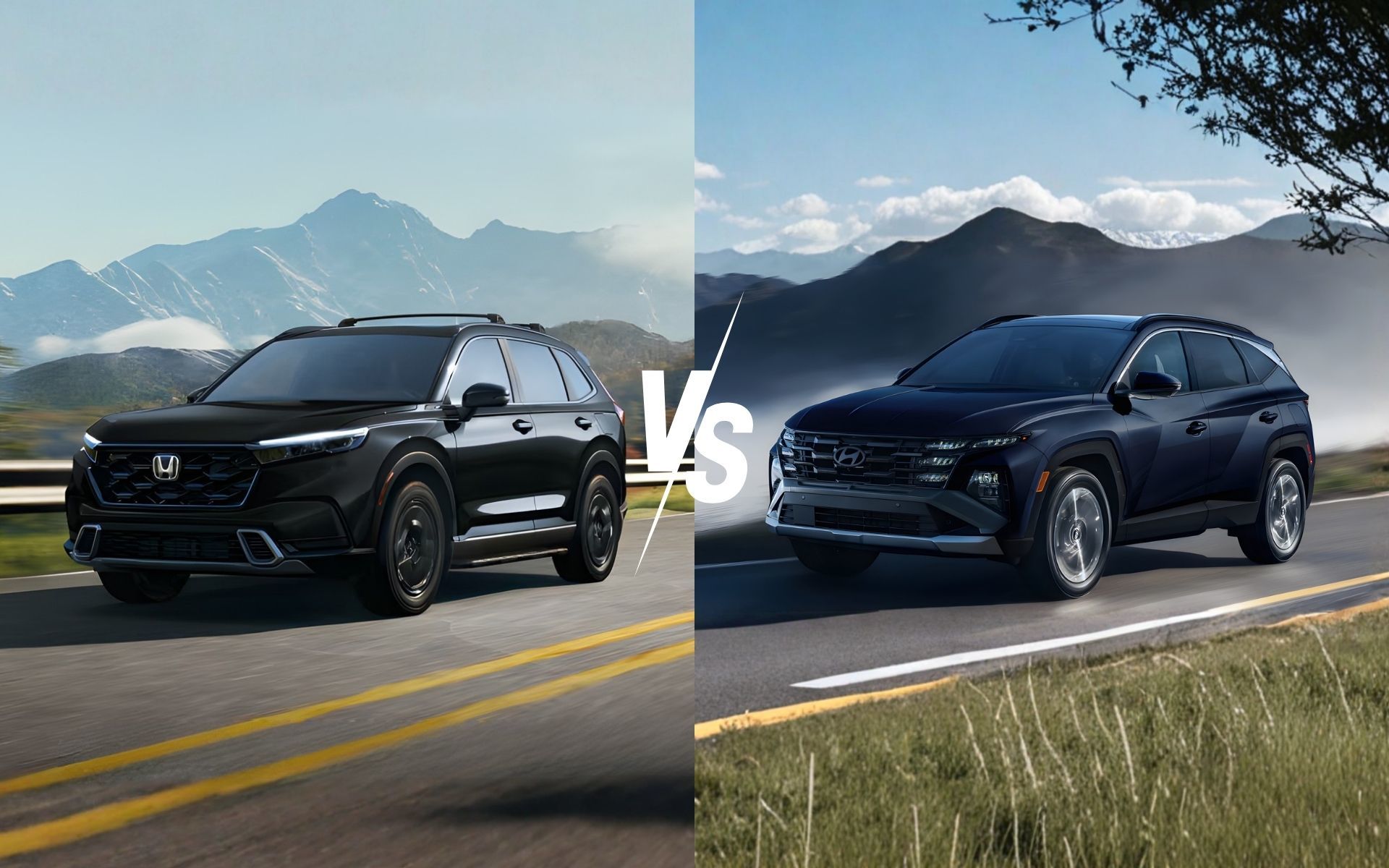
The plug-in hybrid SUV segment keeps growing in popularity among Canadian drivers who want efficiency without giving up versatility. In this 2026 Honda CR-V PHEV vs 2026 Hyundai Tucson PHEV comparison, both models bring electrified capability, practical interiors, and family-friendly features to the table. The difference is in how they deliver that balance. The CR-V PHEV leans into refined hybrid efficiency and enhanced safety, while the Tucson PHEV puts an emphasis on value, technology, and flexibility across its lineup.
Build & Price your own 2026 Honda CR-V PHEV
Smarter Cabins for Every Drive

Technology plays a central role in separating these two plug-in hybrids. The 2026 Hyundai Tucson PHEV comes with a 12.3-inch touchscreen, Apple CarPlay and Android Auto integration, wireless charging, and a six-speaker audio system. The 2026 Honda CR-V PHEV counters with a 9.0-inch touchscreen, Apple CarPlay and Android Auto compatibility, available in-car Wi-Fi, wireless charging, and an upgraded eight-speaker audio system. If screen size matters most, the Tucson has the edge. If audio quality and connected convenience are the priority, the CR-V PHEV makes a strong case.
Electrified Power That Gets You Where You Need to Go

The 2026 Hyundai Tucson PHEV delivers up to 268 horsepower and 258 lb-ft of torque, pairing energetic acceleration with efficiency ratings as low as 3.1 L/100 km in select configurations. The 2026 Honda CR-V PHEV draws on Honda's proven hybrid expertise to produce 204 horsepower and 247 lb-ft of torque, achieving an estimated 6.7 L/100 km combined fuel economy. The Tucson brings more output, while the CR-V PHEV focuses on smooth, balanced everyday performance that Canadian drivers can count on year-round.
Five-Star Safety with a Few Key Differences
Both of these plug-in hybrids take safety seriously. The 2026 Hyundai Tucson PHEV holds an NHTSA overall 5-star safety rating and comes with eight airbags covering front, side, and side curtain protection. The 2026 Honda CR-V PHEV matches that 5-star rating and adds 10 airbags, including knee airbags for greater front-seat occupant protection. Both SUVs inspire genuine confidence behind the wheel, though the CR-V PHEV goes a step further with additional supplemental coverage.
Room for Everything Life Throws Your Way
For busy Canadian families, cargo space can make or break a vehicle decision. The 2026 Hyundai Tucson PHEV offers 1,095 litres of cargo room behind the rear seats, opening up to 2,119 litres with the seats folded flat. The 2026 Honda CR-V PHEV provides 1,028 litres behind the second row and up to 2,030 litres of maximum capacity. Both SUVs handle road trips, sports equipment, and big grocery runs with ease, though the Tucson PHEV gives you a bit more breathing room when you need it most.
|
Highlights |
2026 Honda CR-V PHEV |
2026 Hyundai Tucson PHEV |
|
Starting Price* |
From $45,900 CAD |
Tucson lineup starts at $35,099 CAD |
|
Horsepower |
204 horsepower |
268 horsepower |
|
Touchscreen Size |
9.0-inch touchscreen |
12.3-inch touchscreen |
|
Airbags |
10 airbags |
8 airbags |
|
Maximum Cargo Capacity |
2,030 litre |
2,119 litre |
Get the 2026 Honda CR-V PHEV at Vancouver Honda
Every drive should feel like a win. The 2026 Honda CR-V PHEV delivers plug-in hybrid efficiency, intelligent safety systems, and the kind of everyday versatility that makes ordinary trips feel effortless. Vancouver Honda's team is standing by to put you behind the wheel and let this SUV speak for itself.
*All pricing is based on BC MSRP and does not include taxes and fees. Dealer pricing may differ. Prices are subject to change at any time without notice.

